

Gene therapy treats or prevents disease by adding, replacing, silencing or editing genetic material in a patient’s cells. It can address the biological cause of some conditions rather than only managing symptoms. However, benefits depend on accurate delivery, durable effects, careful monitoring and equitable access.
How gene therapy works
A treatment begins with a defined genetic target. Researchers choose a delivery method, test it in cells and animals, and then evaluate safety and effectiveness in clinical trials. Some treatments act inside the body. Others remove a patient’s cells, modify them in a laboratory and return them.
Viruses can be redesigned as vectors that carry therapeutic genetic material without causing their original disease. Non-viral approaches include lipid particles and physical delivery methods. The US FDA gene-therapy resources explain how these products are regulated.
Main types of gene therapy
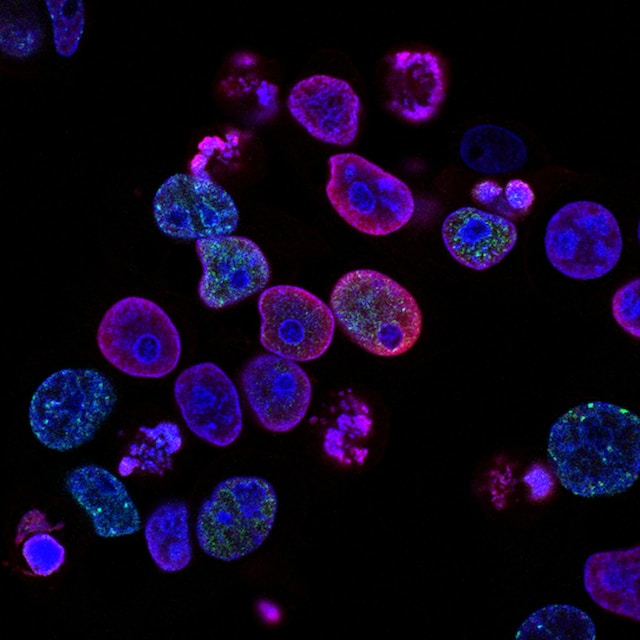
Gene addition supplies a working gene. Gene silencing reduces production of a harmful molecule. Gene editing changes a selected DNA sequence, while cell-based approaches can engineer immune cells before returning them to the patient. Each method presents different delivery and safety questions.
CAR T-cell treatments are an established example of genetically modified cells used against certain cancers. Other approved therapies target inherited retinal disease, spinal muscular atrophy and blood disorders. Approval applies to a defined product and patient group, not to gene therapy as a whole.
Potential benefits for patients
A successful treatment may produce a long-lasting effect after one administration. That possibility matters for disorders requiring lifelong supportive care. Gene therapy can also offer an option when conventional medicines cannot correct the underlying defect.
Precision remains crucial. Researchers must deliver the treatment to the right cells at an effective dose. They also need manufacturing controls that keep every batch consistent. Our article on genetically modified organisms provides wider biotechnology context.
Safety and ethical challenges
Possible risks include immune reactions, unintended genetic changes and effects that weaken over time. Some vectors may reach tissues beyond the intended target. Therefore, trials use staged dosing, eligibility rules and long-term follow-up.
Editing reproductive cells raises different ethical questions because changes could pass to future generations. Most current clinical work focuses on somatic cells, whose changes are not inherited. The World Health Organization genome-editing guidance outlines governance concerns.
Cost, manufacturing and access
Complex production and small patient populations can make treatments expensive. Hospitals may also need specialized collection, storage and infusion systems. Sustainable access requires payment models, reliable manufacturing and trained clinical teams, especially outside wealthy health systems.
The future of gene therapy
Researchers are improving vectors, editing tools and manufacturing methods. They are also studying treatments for more common diseases. Better targeting could lower doses and reduce unwanted effects, while standardized production may improve availability.
Bioprinting and regenerative medicine may eventually complement genetic treatments. See our guide to bioprinting in medicine. Gene therapy is already changing care for selected conditions, but responsible progress depends on strong evidence, transparent oversight and long-term patient follow-up.